I had always been an avid reader, but sadly, over the last few years, the frequency of my reading has decreased. I intend to retake reading as a pastime in later years. This is a list of some of my past book reviews.
Invisible Cities - Italo Calvino
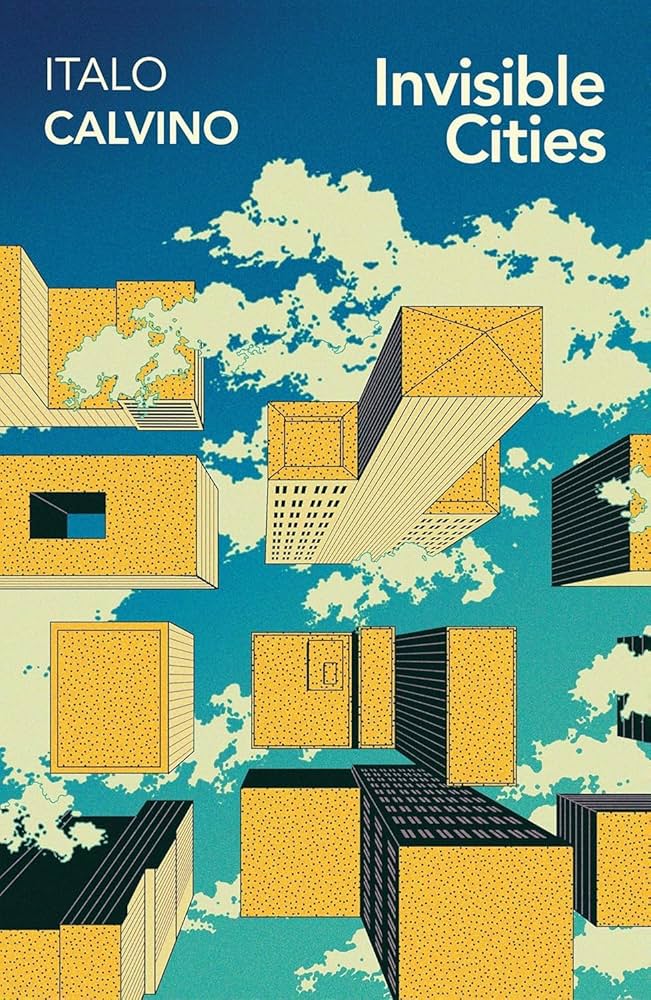
I think we like what we cannot fully understand, because it stays with us long after we’ve finished with it. Hence, I loved ‘Invisible Cities’. Each chapter dealt with the description of one ‘city’, and each is like a poem, inspiring wonder.
These imaginations could be a conversation between Kublai Khan and Marco Polo, OR a conversation between two homeless people as one tells the other what his future could have been. I guess we’ll never know. Such is the beauty of this book.
This Divided Island: Stories from the Sri Lankan War - Samanth Subramanian
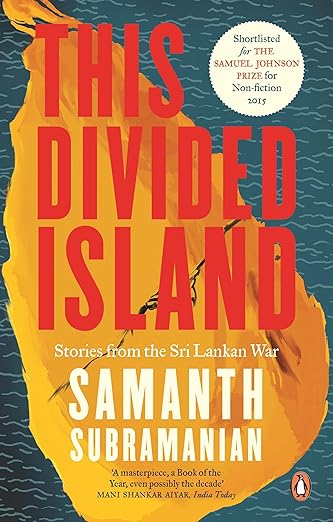
I liked this book because it taught me more about the Sri Lanka war, and its cultural, political, and religious motivations. It describes — sometimes in a confused, scrambled way — events of the war as recited to the author, by his contacts in the country. In addition to the lead-up to the conflict, which is information you can always acquire from the Internet, it works to give an account of the emotions of real people, and the touching stories that the juggernaut of war has left behind. Prepare yourself to be depressed, stunned, and angry.
Not a big fan of the narrative journalism style, but don’t see how else the book could have been written. 3 stars!
Don Quixote - Miguel de Cervantes Saavedra
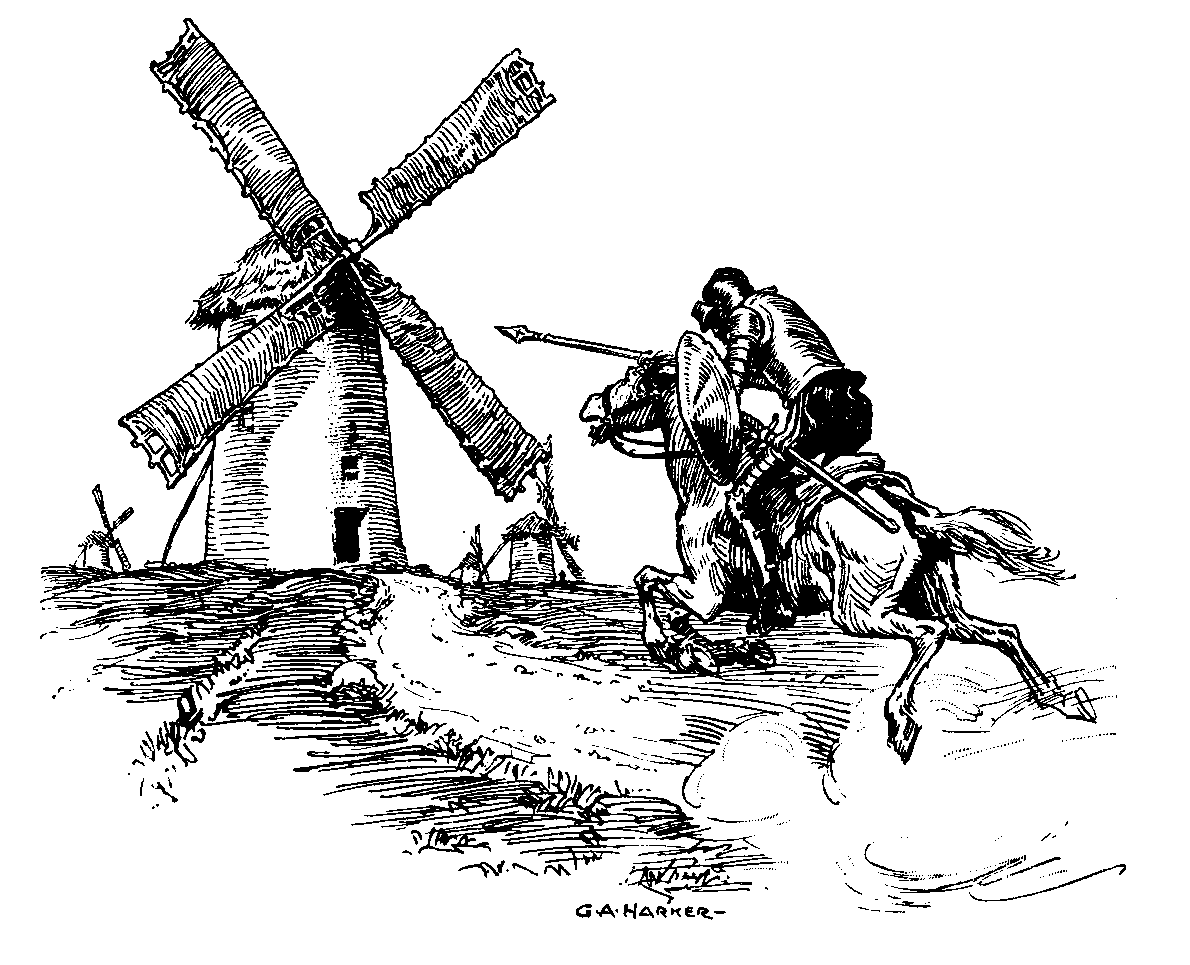
The “World’s First Novel” is a jolly ol’ romp across Spain with two madcap characters. And long — very long. There were pages and pages of stories, that turned out to have absolutely no point. But that’s ok, because they paint a picture of a time long gone by, where love-sick shepherds sang mournfully in green meadows, and colorful plays were acted out with much gaiety in rustic towns. Also, in the great ocean of words, were a few choice pearls of thought.
Based upon the notion of knight errantry, the narrative is bursting with rich detail, and the author makes sure that we meet various types of people along the ride — all seemingly willing and ready to launch into long-winded tales of their past, present and future. Some of the dialogues were confusing, but also entertaining (especially the ones between Sancho Panza and Quixote on the obligations of knight/squire/governor/shepherd, the former’s tendency to lapse into nonsensical proverbs and ‘other such crucial matters’. See what I did there?)
The characters are all a bit crazy to me, really, because they’re so removed from our current age. For instance, everybody believes that Quixote is nuts, but they also thoroughly love him and they are also astonished by his deeds — all above feelings are experienced with equal fervor. Towards the close, I realized that my favorite character was the Knight of the Sad Countenance, himself. I thought it was tragic that he didn’t get to ‘see’ the peerless Dulcinea Del Toboso! But the book has an undeniable charm. There is infinite romance contained in its pages.
So when I reached the end, it was with a certain sadness that I laid it down. I don’t think it is an amazing book, at all — but I’m glad I read it. The knight and his squire have been passed down through the ages, they form part of the bedrock of classical literature — and knowing them makes me feel richer.
The Vital Question: Energy, Evolution, and the Origins of Complex Life - Nick Lane
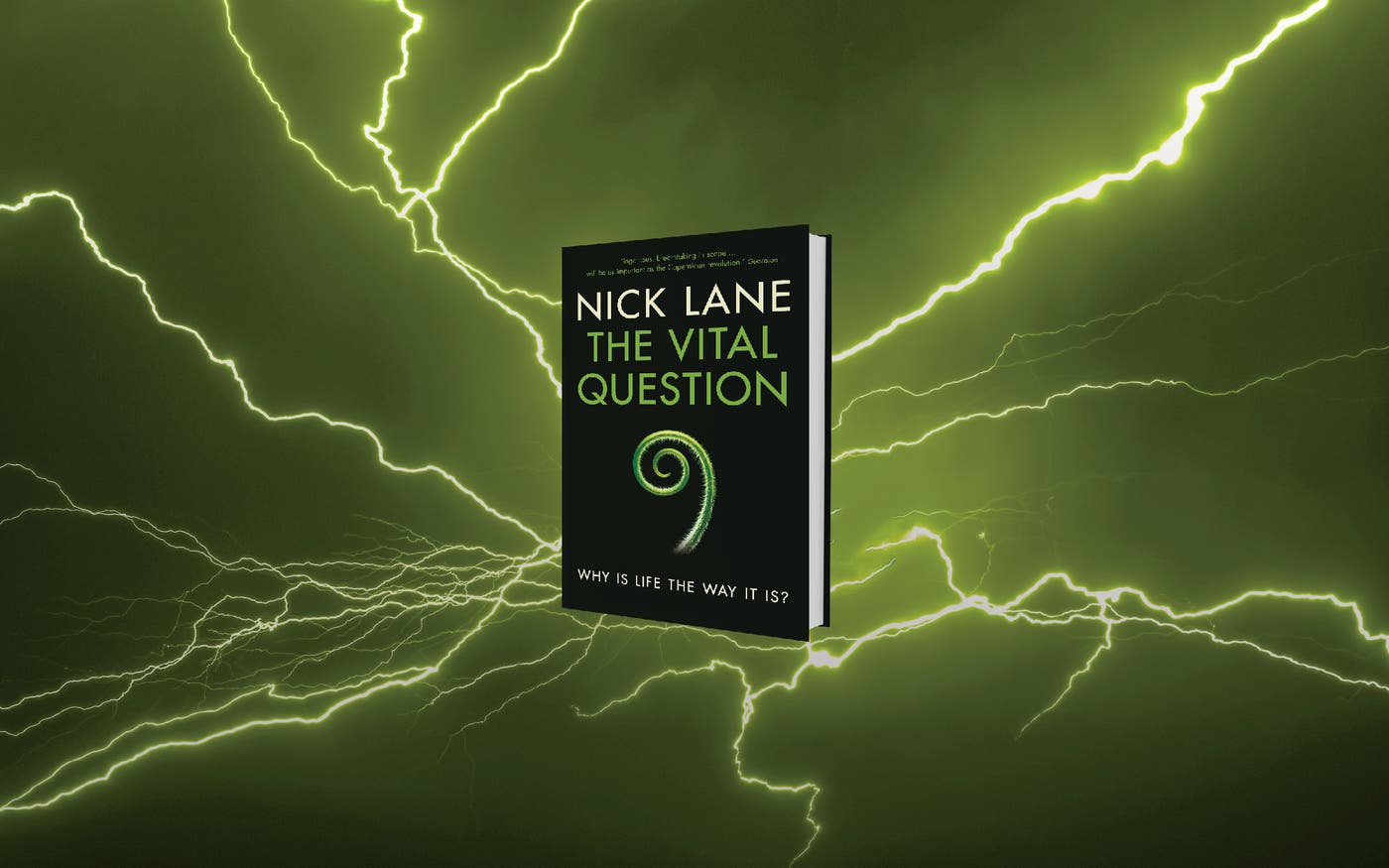
If your only connection with Biology is the knowledge that the “mitochondria is the powerhouse of the cell”, chances are this book is going to go whooshing over your head. Picked the book up because the premise sounded great — the meaning of life from the perspective of biology (atleast from Nick Lane’s point of view). I thought that the high-level concepts were understandable, mostly because of the summary paragraphs here and there. There is a lot of (necessary) talk about mitochondria, prokaryotes, ATP, but sadly Lane stays mum on his theory of a higher power/are humans really just a big accident? A good portion of the book is the author hypothesizing based on recorded observations of many types of cells, something that scientists have been doing for decades around the topics covered here. Some hypotheses could turn out to be wrong, but hey, they could be right too because all evidence seem to suggest so, and the possibility of the latter has the author understandably excited. This feeling of excitement is woven into the writing; it got me turning pages till the end.
I can now appreciate how complex life on Earth is the result of one cool, successful biochemical experiment, in all probability the only one out of many other failed trials, supervised by the all-seeing God Natural Selection; how proton-motive force is central to our existence, and why antioxidants are not always effective against free radicals in the body. But at the end, there were too many sentences whose meaning was not clear, too many gaps in the overall narrative and too much confusion, not just in the subject matter, but also in the style of writing. I don’t know if the book was written keeping the layman in mind: if yes, then it misses the mark! 3 stars.
The Call of the Wild - Jack London
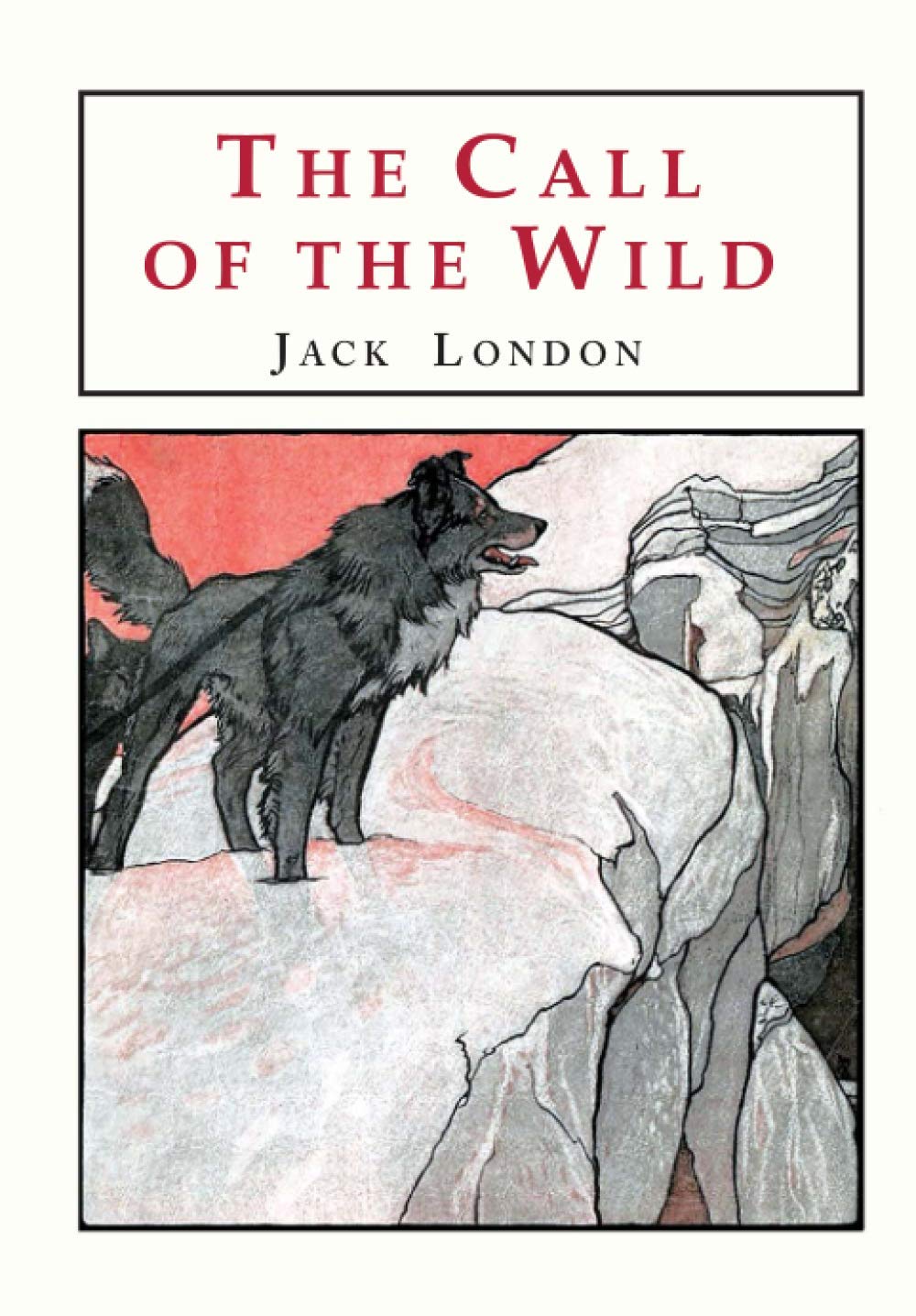
Short and brutal, the animalistic tone to the book gives it an interesting edge. Generally dislike books where authors praise their own characters repeatedly (“and truly Buck was the Fiend Incarnate”), but at the end, I came away feeling a sense of satisfaction for Buck: howling, at the head of the wolf pack!